CALL TODAY 646-933-3224 | EMAIL

Surgical Precision, Compassionate Care

How Surgery Improves Quality of Life in Middle-Aged Men
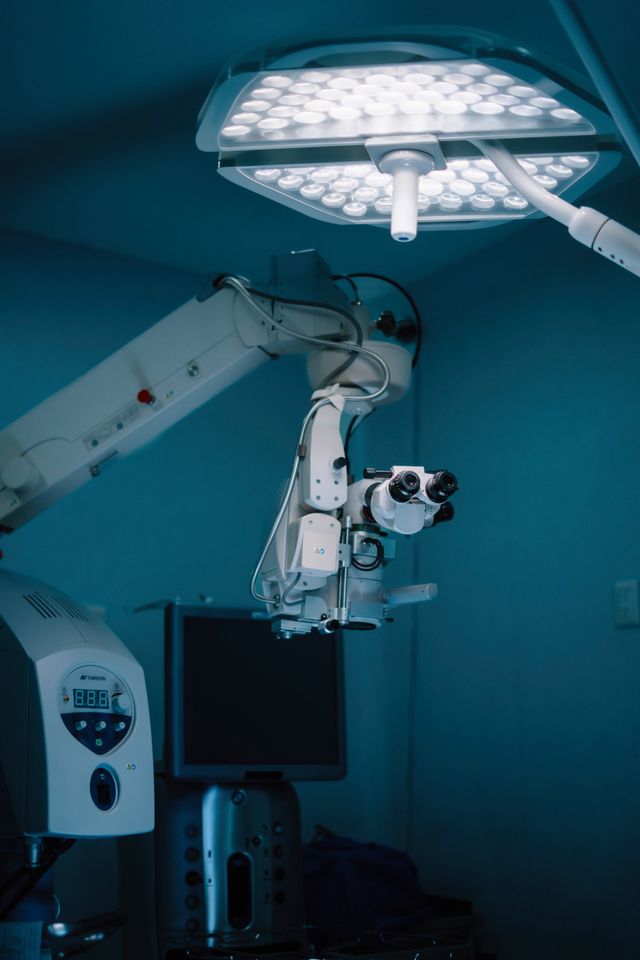 How surgery improves quality of life in middle-aged men is an important topic as many men between the ages of 40 and 65 begin to experience health conditions that can interfere with work, family life, physical activity, and overall well-being. While surgery is often viewed as a last resort, advances in minimally invasive and robotic-assisted techniques have made many procedures safer, more effective, and associated with shorter recovery times than ever before. For many men, the right surgical treatment not only resolves a medical condition but also restores comfort, mobility, confidence, and long-term health.
Why Middle Age Is a Turning Point for Men’s Health
As men age, the body naturally undergoes changes that can increase the risk of developing certain medical conditions. Muscle strength gradually declines, connective tissues weaken, hormone levels change, and chronic diseases become more common. These changes can contribute to problems that may eventually require surgical treatment.
Some of the most common surgical conditions affecting middle-aged men include:
- Abdominal and inguinal hernias
- Gallbladder disease and gallstones
- Benign prostatic hyperplasia (BPH)
- Kidney stones
- Gastroesophageal reflux disease (GERD)
- Colon polyps and colorectal disorders
- Testicular conditions such as hydroceles and varicoceles
Many of these conditions develop gradually, allowing symptoms to worsen over months or even years before treatment is sought.
Living with Chronic Symptoms Can Affect More Than Your Health
Many men postpone surgery because they believe they can “live with” their symptoms. Unfortunately, untreated conditions often become progressively worse and begin affecting multiple aspects of daily life.
Common problems that reduce quality of life include:
- Persistent pain during physical activity
- Difficulty lifting, exercising, or performing job duties
- Interrupted sleep caused by pain or frequent urination
- Digestive discomfort after meals
- Reduced participation in hobbies and recreational activities
- Increased stress and frustration from chronic symptoms
Over time, these limitations can affect physical health, emotional well-being, relationships, and productivity at work.
How Modern Surgery Restores Daily Function
Today’s surgical techniques focus on treating the underlying cause of symptoms while minimizing disruption to the patient’s life. Minimally invasive procedures use smaller incisions, specialized instruments, and advanced visualization to reduce tissue damage and accelerate recovery.
Depending on the condition being treated, surgery may help:
- Eliminate chronic pain and discomfort.
- Restore normal digestive or urinary function.
- Improve mobility and physical performance.
- Reduce the risk of future medical emergencies.
- Allow patients to return to work and normal routines sooner.
Many patients report significant improvements in both physical comfort and overall confidence after recovering from surgery.
Common Procedures That Improve Quality of Life
A wide variety of surgical procedures can dramatically improve health and daily function for middle-aged men.
- Hernia Repair: Relieves pain, eliminates bulging, and allows patients to return to exercise and lifting with greater confidence.
- Gallbladder Surgery: Prevents painful gallstone attacks while allowing patients to enjoy meals without recurring digestive discomfort.
- Anti-Reflux Surgery: Helps reduce chronic heartburn, improves sleep, and decreases dependence on long-term acid-reducing medications in appropriate candidates.
- Prostate Surgery: Can significantly improve urinary symptoms caused by benign prostate enlargement, including frequent nighttime urination and difficulty emptying the bladder.
- Kidney Stone Procedures: Remove painful stones, restore urinary flow, and reduce the risk of future complications.
Each procedure is individualized based on the patient’s symptoms, medical history, and treatment goals.
The Advantages of Minimally Invasive and Robotic Surgery
Many general and urologic surgical procedures can now be performed using minimally invasive or robotic-assisted techniques. These advancements have transformed patient recovery.
Potential benefits include:
- Smaller incisions
- Less postoperative pain
- Reduced blood loss
- Lower risk of infection
- Shorter hospital stays
- Quicker return to normal activities
- Minimal scarring
While not every patient is a candidate for minimally invasive surgery, many can benefit from these advanced techniques.
Don’t Wait Until Symptoms Become Severe
One of the biggest mistakes many men make is delaying medical evaluation until symptoms become unbearable. Early diagnosis often allows for less complex treatment and may prevent emergency situations.
For example:
- A small hernia is often easier to repair than a large incarcerated hernia.
- Gallstones can frequently be treated before they cause serious infection.
- Urinary symptoms from an enlarged prostate may be addressed before bladder damage develops.
- Early-stage cancers are generally easier to treat and often have better outcomes.
Seeking evaluation early provides more treatment options and may reduce recovery time.
Investing in Your Long-Term Health
Choosing surgery is often an investment in long-term health rather than simply treating a current problem. Many patients discover that after recovery they are able to exercise more comfortably, sleep better, participate more fully in family activities, and return to hobbies they had gradually abandoned because of pain or discomfort.
Rather than adapting your lifestyle around chronic symptoms, appropriate surgical treatment can often help restore the level of activity and independence you enjoyed before your condition developed.
Take the First Step Toward Feeling Better
If a medical condition is limiting your ability to work, stay active, or enjoy everyday life, you don’t have to continue living with ongoing discomfort. Our surgical team offers comprehensive evaluations and advanced treatment options designed to improve your health, restore function, and enhance your quality of life. Contact us today to schedule a consultation and learn whether surgery may be the right solution for your individual needs.
LENOX HILL SURGEONS
155 East 76th Street
Suite 1C
New York, NY 10021
646-933-3224
lenoxhillsurgeons@gmail.com