CALL TODAY 646-933-3224 | EMAIL

Surgical Precision, Compassionate Care


Surgical Experts Dedicated to Improving Lives
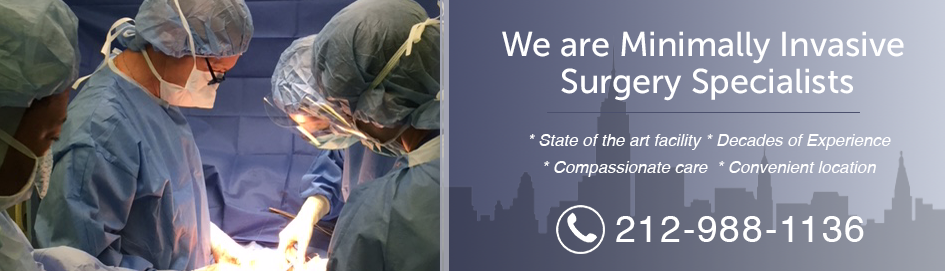
At Lenox Hill Surgeons LLP, our dedicated surgeons and medical professionals provide compassionate care with the highest ethical & professional standards. In our state of the art facility, we offer surgical services using only the most cutting edge and current procedures and treatments. We specialize in general surgery, with special expertise in minimally invasive surgery. Minimally invasive surgery typically allows patients to experience easier recovery than traditional open surgery. It also allows for more precise and less traumatic surgery. When minimally invasive surgery is not an option, we are also highly experienced in traditional open surgical procedures.
Our doctors are experienced and skilled surgeons having undergone extensive training in school, residency and fellowships. They all practice medicine with ethically, compassionately and have superb bedside manner. In the operating room they all exhibit precision mechanical abilities, analytical thinking and the ability to visualize tissue in three dimensions. These skills allow our surgeons to be some of the most dexterous and skilled professionals in New York City.
Call us: 646-933-3224

Conditions We Treat












What You Can Expect From Us
1. Direct Access to Your Surgeon
- Same-day or next-day consultations (in-person or virtual)
- 24-hour access to your surgeon with rapid response times
- One surgeon throughout your entire care process
2. Streamlined Scheduling and Navigation
- Expedited pre-operative testing and OR booking
- Full coordination with primary care and specialty providers
- Dedicated concierge coordinator to handle logistics and paperwork
3. Pre- and Post-Operative White-Glove Services
- Optional pre-operative in-home or telehealth consultations
- Post-operative home check-ins by nurse or physician assistant
- Access to private recovery suites or luxury post-op facilities
4. Robotic and Minimally Invasive Surgical Expertise
- State-of-the-art procedures including hernia repair, gallbladder removal, abdominal wall reconstruction, GERD treatment, and colon surgery
Visit our main website at https://LenoxHillSurgeons.com/
Blog Posts are Below:
Category Archives: Surgery
Traveling After Surgery: Tips for a Safe Trip
Traveling after surgery requires careful planning because your body needs time to heal, and long periods of sitting, lifting luggage, changes in routine, and limited access to medical care can affect your recovery. Whether you are considering a short car trip or a long-distance flight after surgery, the safest time to travel depends on the type of procedure you had, your overall health, your mobility, and your risk of post-operative complications. Following your surgeon’s recommendations and taking a few practical precautions can make traveling after surgery safer and more comfortable.

How Soon Can You Travel After Surgery?
There is no universal waiting period for traveling after an operation. Someone recovering from a relatively minor outpatient procedure may be able to travel much sooner than a patient who has undergone major abdominal, gastrointestinal, urologic, or cancer surgery.
Before approving travel, your surgical team may consider:
- The type and complexity of your surgery
- Whether the procedure was open, laparoscopic, or robotic-assisted
- Your mobility after surgery
- How well your incisions are healing
- Whether you are still taking prescription pain medication
- Your risk of developing blood clots
- Whether you experienced any post-operative complications
- The length and method of your planned travel
Do not schedule important travel based solely on how well you feel a few days after surgery. Internal tissues may still be healing even when pain and other symptoms have improved significantly.
Flying After Surgery
Air travel creates several considerations for surgical patients. One of the most important is prolonged immobility. Sitting for extended periods can increase the risk of developing a deep vein thrombosis (DVT), particularly in patients who have recently undergone surgery.
A DVT is a blood clot that usually develops in a deep vein in the leg. If part of the clot breaks away and travels to the lungs, it can cause a potentially life-threatening pulmonary embolism.
Factors that may further increase blood clot risk include:
- Recent major surgery
- Previous blood clots
- Certain cancers
- Obesity
- Older age
- Limited mobility
- Certain medical conditions
Patients with increased risk may require specific precautions or may be advised to postpone air travel.
Keep Moving During Long Trips
Movement is one of the most important considerations during long-distance travel after surgery. When your surgeon has cleared you for activity, periodically getting up and walking can promote circulation.
During a long flight, train ride, or car trip:
- Change your sitting position regularly.
- Move your ankles and feet while seated.
- Take periodic walking breaks when safe and practical.
- Avoid remaining completely stationary for many consecutive hours.
- Follow any recommendations your medical team provides regarding compression stockings or blood clot prevention.
If traveling by car, plan regular stops so you can safely get out and walk for a few minutes.
Be Careful With Luggage After Surgery
One easily overlooked travel risk after surgery is luggage. Lifting a heavy suitcase into a car, overhead compartment, or luggage rack can place significant strain on healing muscles and incisions.
This is particularly important following abdominal surgery or hernia repair.
Your surgeon may temporarily restrict:
- Heavy lifting
- Forceful pushing or pulling
- Strenuous exercise
- Activities that significantly increase abdominal pressure
Arrange for someone else to handle heavy bags until your surgeon clears you for lifting. A suitcase with wheels can also reduce unnecessary physical strain.
Plan Your Medications Before Traveling
If you are taking medications during your recovery, make sure you have an adequate supply for the entire trip.
Keep important medications readily accessible rather than packing them in checked luggage. Depending on your recovery, these may include:
- Pain medications
- Antibiotics
- Blood thinners
- Stool softeners or other medications recommended after surgery
- Your regular prescription medications
Take all medications exactly as prescribed. If you are traveling across multiple time zones, ask your healthcare provider how to adjust the timing of medications that must be taken on a strict schedule.
Stay Hydrated and Eat Carefully
Travel can easily disrupt normal eating and drinking habits. Airports, long drives, schedule changes, and limited food choices may make it more difficult to maintain your normal recovery routine.
When medically appropriate, adequate hydration can support circulation, bowel function, and overall recovery. Avoid excessive alcohol during the recovery period, particularly when taking prescription pain medications or other drugs that may interact with alcohol.
Your diet may also still be restricted after certain gastrointestinal or abdominal procedures. Bring appropriate snacks or identify suitable food options before traveling rather than relying on whatever happens to be available during your trip.
Protect Your Surgical Incision
Before leaving home, make sure you understand how to care for your surgical incision while traveling.
Depending on your procedure, your surgeon may provide instructions regarding:
- Changing dressings
- Keeping the incision clean and dry
- Showering
- Swimming or using hot tubs
- Recognizing signs of infection
Bring any necessary wound-care supplies with you. Avoid swimming in pools, oceans, lakes, or hot tubs until your surgeon confirms that your incision has healed sufficiently.
Know the Warning Signs of a Blood Clot
Anyone traveling after surgery should understand the symptoms that may indicate a blood clot.
Possible signs of DVT include:
- New swelling in one leg
- Unexplained calf or leg pain
- Warmth or redness in the affected area
Symptoms such as sudden shortness of breath, chest pain, coughing up blood, fainting, or a rapid heartbeat can indicate a pulmonary embolism and require immediate emergency medical attention.
Watch for Other Post-Surgical Warning Signs
Traveling far from your surgeon can make complications more difficult to manage, which is another reason to avoid leaving too soon after an operation.
Contact your medical team or seek appropriate medical care if you experience:
- Fever
- Increasing redness or swelling around an incision
- Drainage or bleeding from the surgical site
- Severe or worsening pain
- Persistent nausea or vomiting
- Difficulty urinating
- Unexpected abdominal swelling
Before an extended trip, it may also be useful to know where you could obtain medical care at your destination if a problem develops.
Prepare Before Leaving Home
Planning ahead can make your first trip after surgery significantly easier. Before departure:
- Ask your surgeon whether you are medically ready to travel.
- Discuss the duration and type of transportation you plan to use.
- Arrange assistance with luggage and other strenuous activities.
- Pack enough medication and wound-care supplies.
- Plan opportunities to walk and move during long journeys.
- Know which symptoms require urgent medical attention.
- Keep your surgeon’s contact information readily available.
For international travel or extended trips, discuss your plans with your surgical team well in advance whenever possible.
Travel Safely During Your Surgical Recovery
Traveling after surgery is often possible, but the right timing and precautions depend on your procedure and individual recovery. If you are planning a trip following general, gastrointestinal, urologic, hernia, or minimally invasive surgery, obtaining medical clearance before departure can help reduce unnecessary risks.
Contact Lenox Hill Surgeons to schedule a consultation, discuss your recovery, or receive individualized guidance about safely returning to travel and your normal activities.
LENOX HILL SURGEONS
155 East 76th Street
Suite 1C
New York, NY 10021
646-933-3224
lenoxhillsurgeons@gmail.com
Dehydration and Surgery: Why It Matters
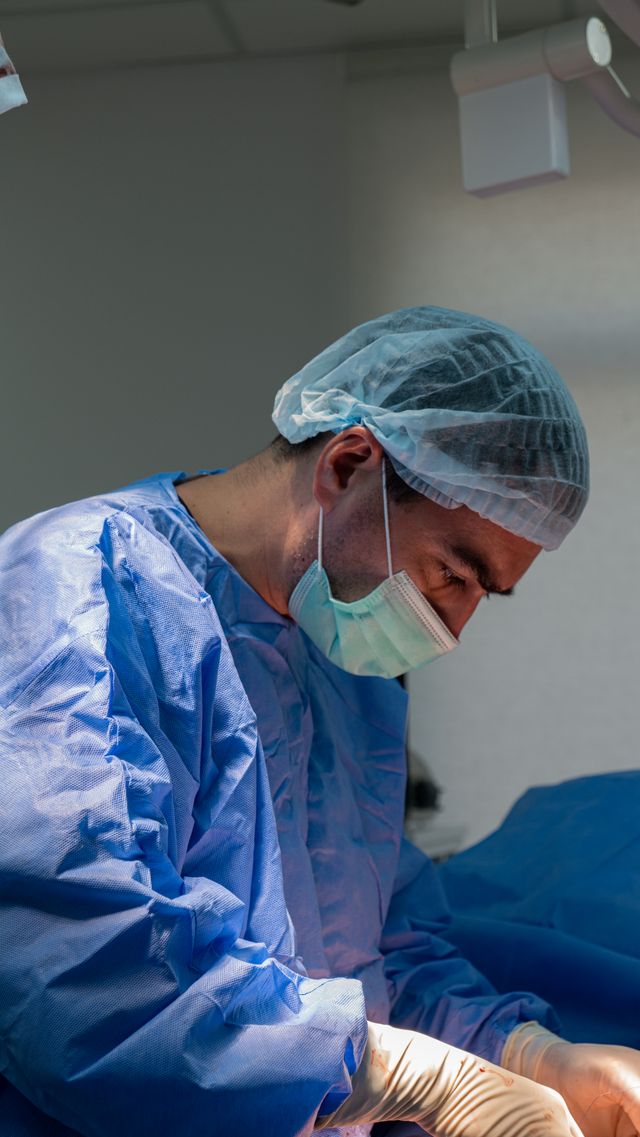 Dehydration and surgery are closely connected because proper fluid balance plays an important role in circulation, anesthesia, kidney function, wound healing, and overall surgical recovery. Patients are commonly instructed to stop eating and drinking for a specific period before a procedure, but that does not mean hydration is unimportant. In fact, arriving for surgery already dehydrated can complicate preoperative care and may affect how you feel before and after your procedure. Understanding how to prepare properly can help support a safer, more comfortable surgical experience.
Why Hydration Is Important Before Surgery
Water is essential for nearly every major function in the body. Adequate hydration helps maintain blood volume, regulate body temperature, transport nutrients, support kidney function, and keep the cardiovascular system working properly.
Surgery places additional physical demands on the body. When a patient begins the process with inadequate fluid levels, the body has less reserve to manage those demands.
Dehydration before surgery may contribute to:
- Low blood pressure
- Dizziness or weakness
- Headaches
- Electrolyte imbalances
- Difficulty establishing intravenous (IV) access
- Reduced urine output
- Increased fatigue during recovery
This is one reason preoperative instructions regarding food and fluids should be followed carefully rather than making additional restrictions on your own.
Fasting Before Surgery Does Not Mean You Should Intentionally Dehydrate Yourself
Patients sometimes assume they should avoid all liquids beginning the night before surgery. However, fasting instructions can vary depending on the procedure, type of anesthesia, medical history, and instructions provided by the surgical and anesthesia teams.
The purpose of preoperative fasting is primarily to reduce the risk of stomach contents entering the lungs while a patient is under anesthesia. It is not intended to make a patient dehydrated.
Depending on the circumstances, some patients may be permitted to consume certain clear liquids until a specified time before anesthesia. Your surgical team will provide instructions appropriate for your procedure.
Always follow the specific fasting and hydration instructions given by your surgeon, anesthesiologist, or surgical facility. Do not drink additional fluids close to surgery simply because you feel thirsty unless your medical team has said it is safe to do so.
How Dehydration Can Affect Anesthesia
Anesthesia affects several body systems, including blood pressure, heart rate, and circulation. Maintaining appropriate fluid balance helps the anesthesia team manage these changes safely.
When a patient is dehydrated, blood volume may be reduced. This can contribute to drops in blood pressure when anesthesia is administered. IV fluids may therefore be given before, during, or after surgery to maintain circulation and replace fluids as necessary.
Dehydration can also make veins less prominent, sometimes making placement of an IV more difficult.
The anesthesia team continuously monitors vital signs and fluid status throughout the procedure and can adjust IV fluids and medications as needed.
Dehydration and Kidney Function
The kidneys depend on adequate blood flow and fluid balance to filter waste products from the body. Significant dehydration can reduce blood flow to the kidneys and place additional stress on them.
This may be particularly important for patients who:
- Already have kidney disease
- Take certain blood pressure or diuretic medications
- Have diabetes
- Are older adults
- Have experienced vomiting or diarrhea before surgery
If you have been unable to keep fluids down or have experienced significant vomiting or diarrhea before a scheduled operation, inform your surgical team.

Why Hydration Matters After Surgery
Fluid balance remains important after the procedure is complete. Patients may lose fluids through blood loss, perspiration, urine, or other normal physiological processes during and after surgery.
Once your medical team determines that it is safe to drink, gradually restoring fluids can help support recovery.
Appropriate postoperative hydration may help:
- Maintain healthy circulation
- Support kidney function
- Reduce dehydration-related headaches and fatigue
- Support normal bowel function
- Replace fluids lost during the surgical process
- Support normal healing and recovery
Patients undergoing certain gastrointestinal procedures may receive different instructions about when and how much they can drink.
Hydration and Constipation After Surgery
Constipation is a common problem after surgery. Reduced physical activity, changes in diet, anesthesia, and certain pain medications can all slow normal bowel function.
Once drinking normally is medically appropriate, adequate fluids can be an important part of preventing or managing constipation. Your surgical team may also recommend walking, dietary fiber, or medications depending on your procedure and recovery.
Patients taking opioid pain medications should be especially aware of constipation because these medications can significantly slow intestinal movement.
Signs You May Be Dehydrated
Recognizing dehydration can help patients address the problem before it becomes more significant.
Possible signs include:
- Dry mouth or excessive thirst
- Dark-colored urine
- Urinating less frequently than usual
- Headache
- Dizziness or lightheadedness
- Unusual fatigue or weakness
- Rapid heartbeat in more significant cases
These symptoms can also have other causes, so significant or persistent symptoms should be discussed with a healthcare professional.
How to Prepare for Surgery
Good surgical preparation begins before the day of the procedure. Unless your medical team has instructed otherwise, maintaining your normal hydration in the days leading up to surgery can help you arrive in better condition.
General preparation may include:
- Stay normally hydrated during the days before your procedure.
- Follow your surgeon’s instructions regarding medications.
- Follow the exact fasting instructions provided by your surgical facility.
- Do not assume that all liquids are permitted simply because they appear clear.
- Tell your surgical team if you have recently experienced vomiting, diarrhea, fever, or another illness that could cause dehydration.
- After surgery, resume fluids according to the instructions provided by your medical team.
Patients with heart failure, kidney disease, or other conditions requiring fluid restriction should follow their physician’s individualized recommendations rather than attempting to increase fluid intake independently.
Preparing for a Safer Surgical Recovery
Proper hydration is one component of preparing your body for surgery and recovery. Following preoperative fasting instructions carefully while avoiding unnecessary dehydration can help your surgical and anesthesia teams manage your care effectively. If you are preparing for a general, gastrointestinal, urologic, or minimally invasive surgical procedure, our team can explain what to expect before and after surgery and provide individualized preparation instructions.
Contact Lenox Hill Surgeons to schedule a consultation or learn more about preparing for your procedure and recovery.
LENOX HILL SURGEONS
155 East 76th Street
Suite 1C
New York, NY 10021
646-933-3224
lenoxhillsurgeons@gmail.com