CALL TODAY 646-933-3224 | EMAIL

Surgical Precision, Compassionate Care


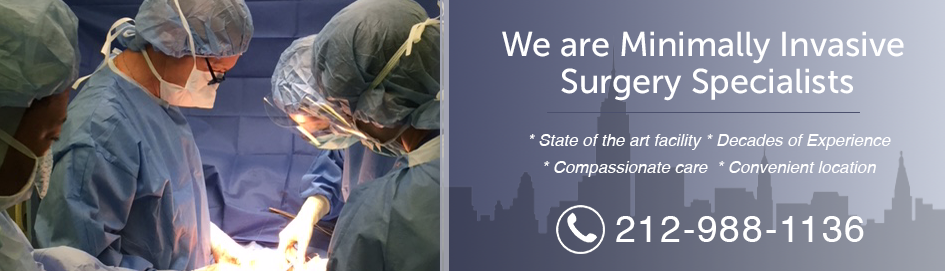
Surgical Experts Dedicated to Improving Lives
At Lenox Hill Surgeons LLP, our dedicated surgeons and medical professionals provide compassionate care with the highest ethical & professional standards. In our state of the art facility, we offer surgical services using only the most cutting edge and current procedures and treatments. We specialize in general surgery, with special expertise in minimally invasive surgery. Minimally invasive surgery typically allows patients to experience easier recovery than traditional open surgery. It also allows for more precise and less traumatic surgery. When minimally invasive surgery is not an option, we are also highly experienced in traditional open surgical procedures.
Our doctors are experienced and skilled surgeons having undergone extensive training in school, residency and fellowships. They all practice medicine with ethically, compassionately and have superb bedside manner. In the operating room they all exhibit precision mechanical abilities, analytical thinking and the ability to visualize tissue in three dimensions. These skills allow our surgeons to be some of the most dexterous and skilled professionals in New York City.
Call us: 646-933-3224

Conditions We Treat












What You Can Expect From Us
1. Direct Access to Your Surgeon
- Same-day or next-day consultations (in-person or virtual)
- 24-hour access to your surgeon with rapid response times
- One surgeon throughout your entire care process
2. Streamlined Scheduling and Navigation
- Expedited pre-operative testing and OR booking
- Full coordination with primary care and specialty providers
- Dedicated concierge coordinator to handle logistics and paperwork
3. Pre- and Post-Operative White-Glove Services
- Optional pre-operative in-home or telehealth consultations
- Post-operative home check-ins by nurse or physician assistant
- Access to private recovery suites or luxury post-op facilities
4. Robotic and Minimally Invasive Surgical Expertise
- State-of-the-art procedures including hernia repair, gallbladder removal, abdominal wall reconstruction, GERD treatment, and colon surgery
Visit our main website at https://LenoxHillSurgeons.com/
Blog Posts are Below:
Category Archives: Complications
The Link Between Obesity and Surgical Complications
 Obesity and surgical complications are closely connected, making weight management an important consideration before many surgical procedures. Obesity affects nearly every system in the body, including the heart, lungs, circulatory system, and immune system. As a result, patients with obesity often face higher risks during and after surgery compared to individuals at a healthier weight. Understanding these risks can help patients make informed decisions, optimize their health before surgery, and improve recovery outcomes.
How Obesity Affects the Body Before Surgery
Obesity is more than simply carrying extra weight. It is a complex medical condition that can contribute to numerous health problems, including diabetes, hypertension, heart disease, sleep apnea, and joint disorders. These conditions can increase the complexity of surgical procedures and anesthesia management.
Excess body fat can also place additional strain on organs and tissues, making it more difficult for the body to respond to the physical stress of surgery. In some cases, obesity can limit mobility, reduce cardiovascular fitness, and impair lung function, all of which play important roles in recovery.
Increased Risks During Surgery
Patients with obesity may face several challenges while undergoing surgery. While modern surgical techniques have significantly improved safety, certain risks remain elevated.
- Anesthesia Complications: Obesity can make airway management more challenging and may increase the risk of breathing difficulties during and after surgery.
- Longer Procedure Times: Surgical access and visualization may be more difficult, potentially increasing operative time.
- Cardiovascular Stress: The heart must work harder to circulate blood throughout the body, increasing the risk of cardiac complications.
- Blood Clots: Patients with obesity have a higher risk of developing deep vein thrombosis (DVT) and pulmonary embolism (PE).
Careful preoperative planning helps surgical teams anticipate and reduce these risks whenever possible.
Post-Surgical Complications Associated with Obesity
The relationship between obesity and surgical complications extends well beyond the operating room. Recovery can be more challenging due to factors that affect healing and mobility.
Common post-operative complications include:
- Wound Healing Problems: Reduced blood flow to fatty tissue can slow healing and increase the risk of wound separation.
- Surgical Site Infections: Higher rates of infection have been observed in patients with obesity due to impaired immune response and wound healing.
- Respiratory Complications: Conditions such as sleep apnea and reduced lung capacity can increase the risk of pneumonia and breathing difficulties.
- Prolonged Hospital Stay: Recovery may take longer, requiring additional monitoring and support.
- Reduced Mobility: Difficulty moving after surgery can increase the risk of blood clots and delay rehabilitation.
While these risks are important to understand, many patients with obesity undergo successful surgeries every day with proper preparation and care.
The Impact on Specific Surgical Procedures
Obesity can affect outcomes across a wide range of surgical specialties. General surgery procedures such as hernia repair, gallbladder surgery, colorectal surgery, and gastrointestinal procedures may become more technically complex when excess abdominal tissue is present.
In addition, obesity can contribute to conditions that themselves require surgery, including:
- Gallstones and gallbladder disease
- Gastroesophageal reflux disease (GERD)
- Abdominal wall hernias
- Joint degeneration requiring orthopedic procedures
For some patients, weight reduction before surgery may improve both surgical safety and long-term outcomes.
How Patients Can Reduce Surgical Risks
Although obesity increases surgical risk, there are many steps patients can take to improve their readiness for surgery.
- Lose Weight When Possible: Even modest weight loss can improve cardiovascular function and reduce complications.
- Control Medical Conditions: Managing diabetes, high blood pressure, and sleep apnea can improve surgical outcomes.
- Increase Physical Activity: Building strength and endurance before surgery supports recovery.
- Improve Nutrition: A balanced diet rich in protein, vitamins, and minerals promotes wound healing.
- Stop Smoking: Smoking further increases surgical risks and impairs recovery.
Preoperative optimization programs are often available to help patients prepare physically and medically before undergoing surgery.
The Role of Minimally Invasive Surgery
Advancements in minimally invasive and robotic-assisted surgery have helped reduce some of the challenges associated with obesity. Smaller incisions, improved visualization, and greater surgical precision can lead to:
- Less post-operative pain
- Reduced blood loss
- Lower infection rates
- Shorter hospital stays
- Faster recovery times
These techniques have expanded surgical options for many patients who may have faced greater risks with traditional open procedures.
Planning for a Safer Surgical Experience
Understanding the link between obesity and surgical complications allows patients and surgeons to work together to create a safer treatment plan. While obesity can increase the risk of certain complications, careful preparation, advanced surgical techniques, and personalized medical care can significantly improve outcomes. Every patient is unique, and risk assessments should always be individualized based on overall health, not weight alone.
Learn More About Your Surgical Options
If you have concerns about obesity and surgery, a consultation can help you better understand your risks and the steps you can take to improve your outcome. Our surgical team provides comprehensive evaluations, minimally invasive treatment options, and personalized care plans designed to promote safe procedures and successful recoveries. Contact us today to schedule a consultation and discuss the best path forward for your surgical needs.
LENOX HILL SURGEONS
155 East 76th Street
Suite 1C
New York, NY 10021
646-933-3224
lenoxhillsurgeons@gmail.com