CALL TODAY 646-933-3224 | EMAIL

Surgical Precision, Compassionate Care

Dehydration and Surgery: Why It Matters
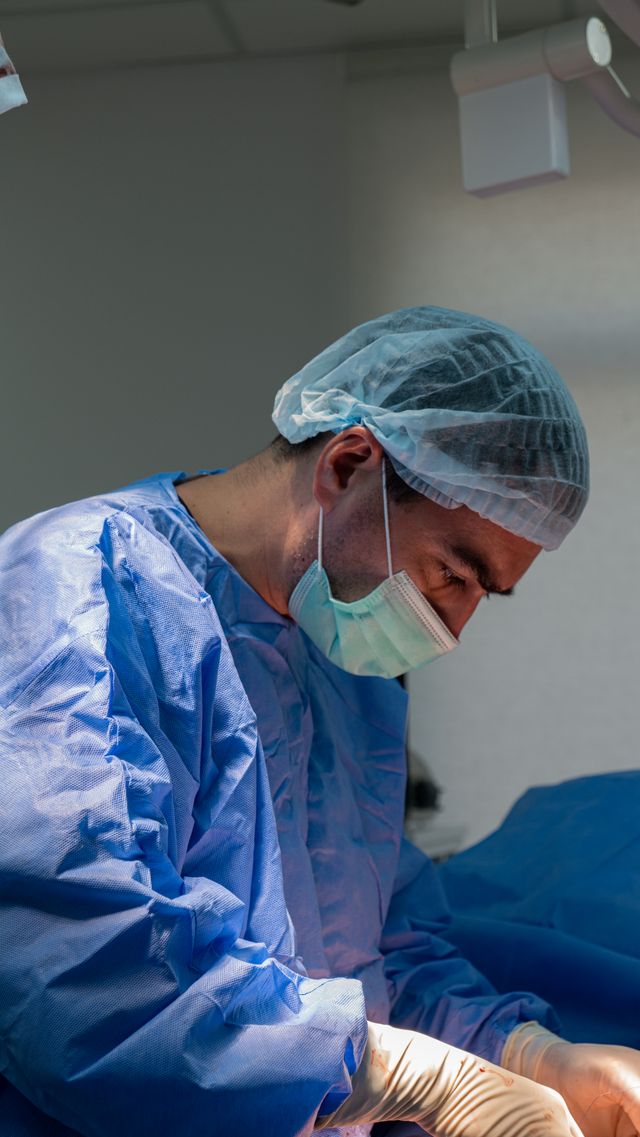 Dehydration and surgery are closely connected because proper fluid balance plays an important role in circulation, anesthesia, kidney function, wound healing, and overall surgical recovery. Patients are commonly instructed to stop eating and drinking for a specific period before a procedure, but that does not mean hydration is unimportant. In fact, arriving for surgery already dehydrated can complicate preoperative care and may affect how you feel before and after your procedure. Understanding how to prepare properly can help support a safer, more comfortable surgical experience.
Why Hydration Is Important Before Surgery
Water is essential for nearly every major function in the body. Adequate hydration helps maintain blood volume, regulate body temperature, transport nutrients, support kidney function, and keep the cardiovascular system working properly.
Surgery places additional physical demands on the body. When a patient begins the process with inadequate fluid levels, the body has less reserve to manage those demands.
Dehydration before surgery may contribute to:
- Low blood pressure
- Dizziness or weakness
- Headaches
- Electrolyte imbalances
- Difficulty establishing intravenous (IV) access
- Reduced urine output
- Increased fatigue during recovery
This is one reason preoperative instructions regarding food and fluids should be followed carefully rather than making additional restrictions on your own.
Fasting Before Surgery Does Not Mean You Should Intentionally Dehydrate Yourself
Patients sometimes assume they should avoid all liquids beginning the night before surgery. However, fasting instructions can vary depending on the procedure, type of anesthesia, medical history, and instructions provided by the surgical and anesthesia teams.
The purpose of preoperative fasting is primarily to reduce the risk of stomach contents entering the lungs while a patient is under anesthesia. It is not intended to make a patient dehydrated.
Depending on the circumstances, some patients may be permitted to consume certain clear liquids until a specified time before anesthesia. Your surgical team will provide instructions appropriate for your procedure.
Always follow the specific fasting and hydration instructions given by your surgeon, anesthesiologist, or surgical facility. Do not drink additional fluids close to surgery simply because you feel thirsty unless your medical team has said it is safe to do so.
How Dehydration Can Affect Anesthesia
Anesthesia affects several body systems, including blood pressure, heart rate, and circulation. Maintaining appropriate fluid balance helps the anesthesia team manage these changes safely.
When a patient is dehydrated, blood volume may be reduced. This can contribute to drops in blood pressure when anesthesia is administered. IV fluids may therefore be given before, during, or after surgery to maintain circulation and replace fluids as necessary.
Dehydration can also make veins less prominent, sometimes making placement of an IV more difficult.
The anesthesia team continuously monitors vital signs and fluid status throughout the procedure and can adjust IV fluids and medications as needed.
Dehydration and Kidney Function
The kidneys depend on adequate blood flow and fluid balance to filter waste products from the body. Significant dehydration can reduce blood flow to the kidneys and place additional stress on them.
This may be particularly important for patients who:
- Already have kidney disease
- Take certain blood pressure or diuretic medications
- Have diabetes
- Are older adults
- Have experienced vomiting or diarrhea before surgery
If you have been unable to keep fluids down or have experienced significant vomiting or diarrhea before a scheduled operation, inform your surgical team.

Why Hydration Matters After Surgery
Fluid balance remains important after the procedure is complete. Patients may lose fluids through blood loss, perspiration, urine, or other normal physiological processes during and after surgery.
Once your medical team determines that it is safe to drink, gradually restoring fluids can help support recovery.
Appropriate postoperative hydration may help:
- Maintain healthy circulation
- Support kidney function
- Reduce dehydration-related headaches and fatigue
- Support normal bowel function
- Replace fluids lost during the surgical process
- Support normal healing and recovery
Patients undergoing certain gastrointestinal procedures may receive different instructions about when and how much they can drink.
Hydration and Constipation After Surgery
Constipation is a common problem after surgery. Reduced physical activity, changes in diet, anesthesia, and certain pain medications can all slow normal bowel function.
Once drinking normally is medically appropriate, adequate fluids can be an important part of preventing or managing constipation. Your surgical team may also recommend walking, dietary fiber, or medications depending on your procedure and recovery.
Patients taking opioid pain medications should be especially aware of constipation because these medications can significantly slow intestinal movement.
Signs You May Be Dehydrated
Recognizing dehydration can help patients address the problem before it becomes more significant.
Possible signs include:
- Dry mouth or excessive thirst
- Dark-colored urine
- Urinating less frequently than usual
- Headache
- Dizziness or lightheadedness
- Unusual fatigue or weakness
- Rapid heartbeat in more significant cases
These symptoms can also have other causes, so significant or persistent symptoms should be discussed with a healthcare professional.
How to Prepare for Surgery
Good surgical preparation begins before the day of the procedure. Unless your medical team has instructed otherwise, maintaining your normal hydration in the days leading up to surgery can help you arrive in better condition.
General preparation may include:
- Stay normally hydrated during the days before your procedure.
- Follow your surgeon’s instructions regarding medications.
- Follow the exact fasting instructions provided by your surgical facility.
- Do not assume that all liquids are permitted simply because they appear clear.
- Tell your surgical team if you have recently experienced vomiting, diarrhea, fever, or another illness that could cause dehydration.
- After surgery, resume fluids according to the instructions provided by your medical team.
Patients with heart failure, kidney disease, or other conditions requiring fluid restriction should follow their physician’s individualized recommendations rather than attempting to increase fluid intake independently.
Preparing for a Safer Surgical Recovery
Proper hydration is one component of preparing your body for surgery and recovery. Following preoperative fasting instructions carefully while avoiding unnecessary dehydration can help your surgical and anesthesia teams manage your care effectively. If you are preparing for a general, gastrointestinal, urologic, or minimally invasive surgical procedure, our team can explain what to expect before and after surgery and provide individualized preparation instructions.
Contact Lenox Hill Surgeons to schedule a consultation or learn more about preparing for your procedure and recovery.
LENOX HILL SURGEONS
155 East 76th Street
Suite 1C
New York, NY 10021
646-933-3224
lenoxhillsurgeons@gmail.com