CALL TODAY 646-933-3224 | EMAIL

Surgical Precision, Compassionate Care

Prostate Health and Surgery Options
Prostate health and surgery options are important topics for men, especially as prostate conditions become more common with age. The prostate is a small gland that plays a key role in male reproductive health, but it can also be the source of a range of medical issues that affect urinary function, sexual health, and overall quality of life. Understanding common prostate conditions and the available surgical treatments can help men make informed decisions about their care.
Understanding the Role of the Prostate
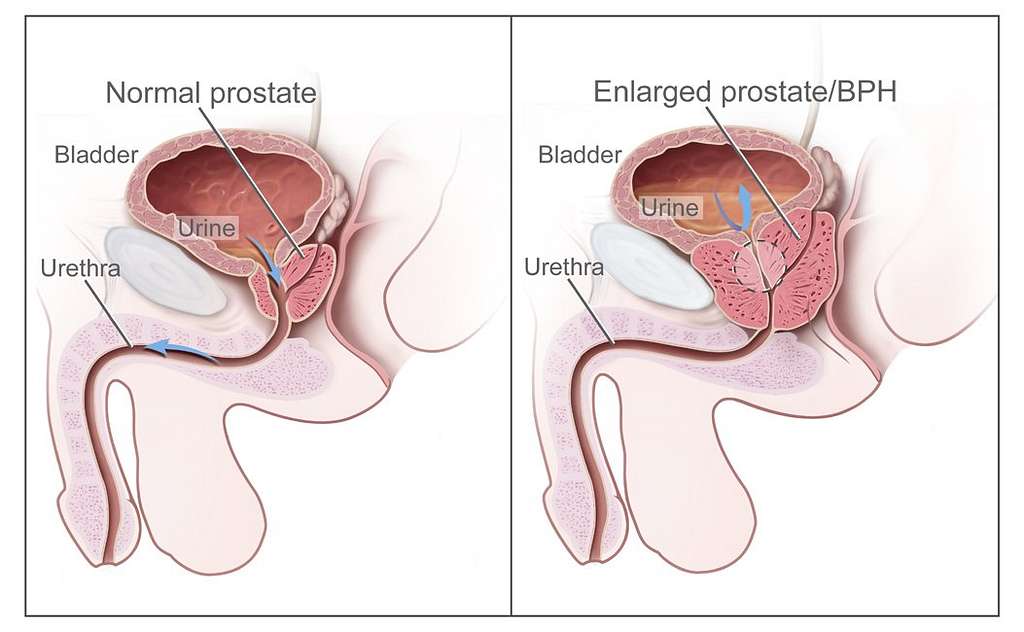
The prostate gland sits just below the bladder and surrounds the urethra, the tube that carries urine out of the body. Its primary function is to produce seminal fluid that nourishes and transports sperm. Because of its location, even small changes in prostate size or structure can significantly affect urinary flow and bladder control.
As men age, the prostate naturally changes, increasing the likelihood of benign or malignant conditions that may require medical or surgical intervention.
Common Prostate Conditions
Several conditions can impact prostate health, each with different symptoms and treatment approaches:
- Benign Prostatic Hyperplasia (BPH): A non-cancerous enlargement of the prostate that commonly causes urinary frequency, weak urine stream, difficulty starting urination, and nighttime urination.
- Prostatitis: Inflammation or infection of the prostate, often causing pelvic pain, painful urination, or flu-like symptoms.
- Prostate Cancer: One of the most common cancers in men, often detected through prostate-specific antigen (PSA) testing and biopsy.
While some prostate conditions can be managed with medication or lifestyle changes, others may require surgical treatment to relieve symptoms or remove diseased tissue.
When Surgery Becomes Necessary
Surgery is typically recommended when conservative treatments are no longer effective or when the condition poses a risk to long-term health. For example, severe urinary obstruction from BPH can lead to bladder damage or kidney problems if left untreated. In the case of prostate cancer, surgery may be necessary to remove the cancer and prevent its spread.
Symptoms that may indicate the need for surgical evaluation include:
- Persistent difficulty urinating
- Inability to fully empty the bladder
- Recurrent urinary tract infections
- Blood in the urine
- Elevated PSA levels or abnormal biopsy results
Prostate Surgery Options
Advances in medical technology have significantly improved prostate surgery options, making procedures safer and less invasive than in the past. Common surgical approaches include:
- Transurethral Resection of the Prostate (TURP): A well-established procedure for treating BPH by removing excess prostate tissue through the urethra.
- Laser Prostate Surgery: Uses laser energy to remove or shrink prostate tissue, often resulting in less bleeding and faster recovery.
- Simple Prostatectomy: Recommended for very large prostates causing severe symptoms; removes the inner portion of the prostate.
- Radical Prostatectomy: Involves complete removal of the prostate gland and is commonly used to treat localized prostate cancer.
- Robotic-Assisted Prostate Surgery: A minimally invasive approach that offers enhanced precision, smaller incisions, reduced pain, and shorter recovery times.
The choice of procedure depends on the patient’s diagnosis, prostate size, overall health, and personal treatment goals.
What to Expect After Prostate Surgery
Recovery after prostate surgery varies depending on the procedure performed. Many minimally invasive surgeries allow patients to return home within a short period and resume light activities within days. Temporary side effects may include urinary leakage, erectile dysfunction, or discomfort, which often improve with time and proper follow-up care.
Post-surgical care typically includes:
- Short-term use of a urinary catheter
- Activity restrictions during healing
- Follow-up visits to monitor recovery
- Pelvic floor exercises to improve urinary control
Most patients experience significant improvement in urinary symptoms and overall quality of life following successful treatment.
Protecting and Monitoring Prostate Health
Proactive prostate care is essential, even before symptoms develop. Regular checkups, PSA testing when appropriate, and discussing urinary or sexual health concerns early can lead to earlier diagnosis and more treatment options. Maintaining a healthy lifestyle — including regular exercise, balanced nutrition, and weight management — also supports long-term prostate health.
Take the Next Step Toward Better Prostate Health
If you’re experiencing urinary symptoms, have concerns about prostate enlargement, or need guidance on prostate cancer treatment options, professional evaluation is key. Our surgical team offers comprehensive prostate care using advanced diagnostic tools and modern surgical techniques tailored to each patient’s needs.
Reach out today to schedule a consultation and learn more about the most effective prostate health and surgery options available.
LENOX HILL SURGEONS
155 East 76th Street
Suite 1C
New York, NY 10021
646-933-3224
lenoxhillsurgeons@gmail.com