CALL TODAY 646-933-3224 | EMAIL

Surgical Precision, Compassionate Care


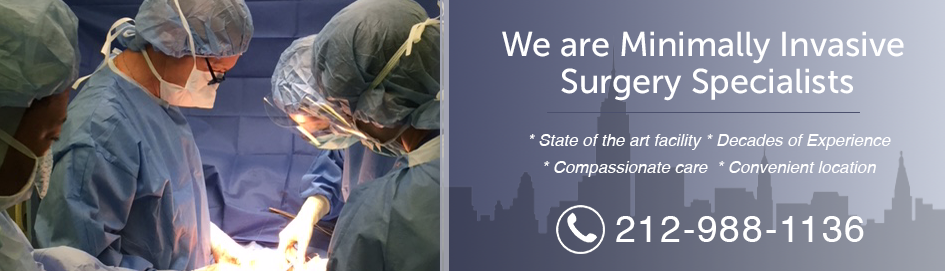
Surgical Experts Dedicated to Improving Lives
At Lenox Hill Surgeons LLP, our dedicated surgeons and medical professionals provide compassionate care with the highest ethical & professional standards. In our state of the art facility, we offer surgical services using only the most cutting edge and current procedures and treatments. We specialize in general surgery, with special expertise in minimally invasive surgery. Minimally invasive surgery typically allows patients to experience easier recovery than traditional open surgery. It also allows for more precise and less traumatic surgery. When minimally invasive surgery is not an option, we are also highly experienced in traditional open surgical procedures.
Our doctors are experienced and skilled surgeons having undergone extensive training in school, residency and fellowships. They all practice medicine with ethically, compassionately and have superb bedside manner. In the operating room they all exhibit precision mechanical abilities, analytical thinking and the ability to visualize tissue in three dimensions. These skills allow our surgeons to be some of the most dexterous and skilled professionals in New York City.
Call us: 646-933-3224

Conditions We Treat












What You Can Expect From Us
1. Direct Access to Your Surgeon
- Same-day or next-day consultations (in-person or virtual)
- 24-hour access to your surgeon with rapid response times
- One surgeon throughout your entire care process
2. Streamlined Scheduling and Navigation
- Expedited pre-operative testing and OR booking
- Full coordination with primary care and specialty providers
- Dedicated concierge coordinator to handle logistics and paperwork
3. Pre- and Post-Operative White-Glove Services
- Optional pre-operative in-home or telehealth consultations
- Post-operative home check-ins by nurse or physician assistant
- Access to private recovery suites or luxury post-op facilities
4. Robotic and Minimally Invasive Surgical Expertise
- State-of-the-art procedures including hernia repair, gallbladder removal, abdominal wall reconstruction, GERD treatment, and colon surgery
Visit our main website at https://LenoxHillSurgeons.com/
Blog Posts are Below:
Category Archives: Testicles
Testicular Health and Related Surgical Issues
 Testicular health is an essential part of men’s overall well-being, and understanding the surgical issues that can affect the testicles is important for early diagnosis, effective treatment, and long-term health. While many testicular conditions are benign and highly treatable, others require prompt surgical intervention to preserve fertility, relieve pain, or treat potentially life-threatening diseases such as testicular cancer. Recognizing the warning signs and seeking timely medical evaluation can make a significant difference in treatment outcomes.
Why Testicular Health Matters
The testicles play two critical roles in the male body: producing sperm for reproduction and producing testosterone, the hormone responsible for male sexual development, muscle mass, bone strength, and libido. Because of these important functions, any condition affecting the testicles deserves prompt attention.
Although some testicular problems cause obvious symptoms, others may develop gradually or produce only mild discomfort in the early stages. Routine self-awareness and regular medical evaluations can help identify abnormalities before they become more serious.
Common Testicular Conditions
Several medical conditions can affect the testicles, ranging from minor issues to surgical emergencies.
- Hydrocele: A collection of fluid surrounding the testicle that causes painless swelling of the scrotum. While some hydroceles resolve on their own, persistent or large hydroceles may require surgical repair.
- Varicocele: Enlarged veins within the scrotum, similar to varicose veins in the legs. Varicoceles may cause aching discomfort, testicular shrinkage, or infertility in some men.
- Spermatocele: A fluid-filled cyst that develops near the epididymis. Most spermatoceles are harmless but may be surgically removed if they become painful or significantly enlarged.
- Epididymitis: Inflammation or infection of the epididymis, often treated with antibiotics, although severe cases occasionally require surgical intervention.
- Testicular Torsion: A surgical emergency in which the spermatic cord twists, cutting off blood flow to the testicle. Immediate surgery is necessary to save the affected testicle.
- Testicular Cancer: One of the most treatable forms of cancer when detected early, often requiring surgical removal of the affected testicle.
Each condition has its own symptoms and treatment recommendations, making accurate diagnosis essential.
Symptoms You Should Never Ignore
Many men hesitate to discuss testicular symptoms, but delaying evaluation can allow certain conditions to worsen. Contact a healthcare provider promptly if you notice:
- A lump or firm area within a testicle
- Persistent pain or aching in the scrotum
- Sudden, severe testicular pain
- Swelling or enlargement of one side of the scrotum
- A feeling of heaviness in the scrotum
- Changes in testicular size or shape
- Blood in the semen
While many of these symptoms are caused by non-cancerous conditions, they should always be evaluated to rule out more serious problems.
When Surgery Is Necessary
Not every testicular condition requires surgery, but several situations call for prompt operative treatment.
Surgery may be recommended for:
- Testicular torsion to restore blood flow
- Testicular cancer requiring removal of the affected testicle (radical orchiectomy)
- Large or symptomatic hydroceles
- Painful or fertility-related varicoceles
- Persistent spermatoceles causing discomfort
- Certain traumatic injuries to the testicle
The goal of surgery is to relieve symptoms, preserve healthy tissue whenever possible, and prevent future complications.
How Testicular Conditions Are Diagnosed
Evaluation typically begins with a detailed medical history and physical examination. Depending on the findings, additional testing may include:
- Scrotal Ultrasound: The most common imaging study used to evaluate lumps, swelling, blood flow, and other abnormalities.
- Blood Tests: May be used to detect infection or measure tumor markers associated with testicular cancer.
- Urine Testing: Helps identify urinary tract infections or sexually transmitted infections when inflammation is suspected.
- CT Imaging: May be performed if cancer is diagnosed to determine whether it has spread beyond the testicle.
These diagnostic tools allow physicians to accurately identify the underlying cause and develop an individualized treatment plan.
Recovery After Testicular Surgery
Recovery depends on the specific procedure performed. Many operations are completed on an outpatient basis, allowing patients to return home the same day.
Most patients are advised to:
- Wear supportive underwear or an athletic supporter during healing.
- Avoid strenuous activity and heavy lifting for several weeks.
- Apply ice packs to reduce swelling during the first 24 to 48 hours.
- Take prescribed medications as directed.
- Attend scheduled follow-up appointments to monitor healing.
Most men recover well and gradually return to normal daily activities within a few weeks, although timelines vary depending on the procedure.
The Importance of Monthly Testicular Self-Exams
One of the most effective ways to detect abnormalities early is through monthly testicular self-examinations. The best time to perform a self-exam is after a warm shower, when the scrotal skin is relaxed.
During the exam:
- Gently roll each testicle between your fingers.
- Become familiar with your normal anatomy.
- Look for new lumps, firmness, swelling, or changes in size.
- Report any unusual findings to your healthcare provider promptly.
Early detection is especially important for testicular cancer, which has one of the highest cure rates of any cancer when diagnosed in its earliest stages.
Protect Your Testicular Health with Expert Care
Whether you’re experiencing pain, swelling, a testicular lump, or another concerning symptom, early evaluation is the best way to protect your health and preserve future function. Our surgical team provides comprehensive evaluation, advanced diagnostic testing, and personalized treatment for a wide range of testicular conditions. Contact us today to schedule a consultation and learn more about your options for expert care.
LENOX HILL SURGEONS
155 East 76th Street
Suite 1C
New York, NY 10021
646-933-3224
lenoxhillsurgeons@gmail.com