CALL TODAY 646-933-3224 | EMAIL

Surgical Precision, Compassionate Care


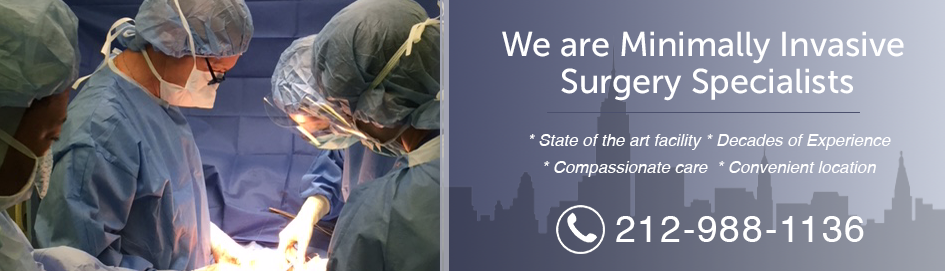
Surgical Experts Dedicated to Improving Lives
At Lenox Hill Surgeons LLP, our dedicated surgeons and medical professionals provide compassionate care with the highest ethical & professional standards. In our state of the art facility, we offer surgical services using only the most cutting edge and current procedures and treatments. We specialize in general surgery, with special expertise in minimally invasive surgery. Minimally invasive surgery typically allows patients to experience easier recovery than traditional open surgery. It also allows for more precise and less traumatic surgery. When minimally invasive surgery is not an option, we are also highly experienced in traditional open surgical procedures.
Our doctors are experienced and skilled surgeons having undergone extensive training in school, residency and fellowships. They all practice medicine with ethically, compassionately and have superb bedside manner. In the operating room they all exhibit precision mechanical abilities, analytical thinking and the ability to visualize tissue in three dimensions. These skills allow our surgeons to be some of the most dexterous and skilled professionals in New York City.
Call us: 646-933-3224

Conditions We Treat












What You Can Expect From Us
1. Direct Access to Your Surgeon
- Same-day or next-day consultations (in-person or virtual)
- 24-hour access to your surgeon with rapid response times
- One surgeon throughout your entire care process
2. Streamlined Scheduling and Navigation
- Expedited pre-operative testing and OR booking
- Full coordination with primary care and specialty providers
- Dedicated concierge coordinator to handle logistics and paperwork
3. Pre- and Post-Operative White-Glove Services
- Optional pre-operative in-home or telehealth consultations
- Post-operative home check-ins by nurse or physician assistant
- Access to private recovery suites or luxury post-op facilities
4. Robotic and Minimally Invasive Surgical Expertise
- State-of-the-art procedures including hernia repair, gallbladder removal, abdominal wall reconstruction, GERD treatment, and colon surgery
Visit our main website at https://LenoxHillSurgeons.com/
Blog Posts are Below:
Category Archives: Post-Op
Managing Pain After Surgery Without Relying on Opioids
Managing pain after surgery without relying on opioids has become a major focus in modern surgical care, as patients and providers seek safer, effective alternatives for post-operative pain control. While opioids can be useful in certain situations, they carry risks including dependence, side effects, and delayed recovery. Today, multimodal pain management strategies allow patients to heal comfortably while minimizing or even eliminating the need for narcotic medications.

Why Reduce Opioid Use After Surgery?
Opioid medications, such as oxycodone or hydrocodone, have traditionally been prescribed after surgery to manage moderate to severe pain. However, they are associated with potential complications, including:
- Nausea and vomiting
- Constipation
- Drowsiness and confusion
- Respiratory depression
- Risk of dependence or addiction
In addition to these risks, opioids can slow bowel function and delay mobility, which may prolong recovery. For these reasons, many surgical teams now prioritize opioid-sparing pain management protocols.
What Is Multimodal Pain Management?
Multimodal pain management refers to using multiple non-opioid therapies together to control pain more effectively. Instead of relying on a single medication, this approach targets different pain pathways in the body. By combining treatments, patients often experience better pain relief with fewer side effects.
Key components of multimodal pain control may include:
- Acetaminophen (Tylenol): Helps reduce pain and inflammation when taken on a scheduled basis.
- Nonsteroidal Anti-Inflammatory Drugs (NSAIDs): Medications like ibuprofen reduce inflammation and surgical site discomfort.
- Local Anesthetics: Long-acting numbing medications injected during surgery can significantly reduce immediate post-operative pain.
- Nerve Blocks: Targeted anesthesia techniques that numb specific nerves for extended relief.
- Gabapentinoids: Medications sometimes used to reduce nerve-related pain.
These strategies are tailored to the type of surgery and the patient’s overall health.
Non-Medication Pain Relief Techniques
In addition to medications, several non-pharmacologic techniques can help manage pain after surgery and promote faster healing.
- Ice Therapy: Applying cold packs can reduce swelling and numb sore areas.
- Elevation: Raising the surgical site, when appropriate, minimizes inflammation.
- Early Mobilization: Gentle movement improves circulation and reduces stiffness.
- Breathing and Relaxation Techniques: Deep breathing exercises and guided relaxation can reduce tension and pain perception.
- Physical Therapy: Structured rehabilitation supports strength and functional recovery.
Combining these approaches often enhances comfort while reducing the need for narcotics.
The Role of Minimally Invasive Surgery
Advances in minimally invasive and robotic-assisted surgery have significantly reduced post-operative pain compared to traditional open procedures. Smaller incisions, less tissue disruption, and precise surgical techniques contribute to:
- Reduced inflammation
- Less blood loss
- Shorter hospital stays
- Faster return to daily activities
These benefits naturally decrease the need for opioid-based pain management.
What Patients Can Expect After Surgery
It’s important to understand that some discomfort after surgery is normal. The goal of pain management is not to eliminate all sensation but to keep pain at a manageable level that allows for movement, breathing exercises, and rest.
Patients may be advised to:
- Take scheduled non-opioid medications rather than waiting for pain to become severe.
- Stay hydrated and maintain proper nutrition to support healing.
- Follow activity guidelines to prevent strain or complications.
- Communicate openly about pain levels so adjustments can be made if necessary.
In some cases, a short course of low-dose opioids may still be prescribed, but typically for limited use and under close supervision.
Personalized Pain Management Plans
Every patient’s pain tolerance, surgical procedure, and medical history are different. A personalized pain control plan ensures safety and effectiveness while minimizing unnecessary medication exposure. By discussing preferences and concerns before surgery, patients can feel more confident about their recovery plan.
A Safer Path to Recovery
If you are preparing for surgery and are concerned about post-operative pain management, there are effective opioid-sparing options available. Modern surgical care prioritizes comfort, safety, and faster healing through advanced techniques and comprehensive pain control strategies.
Contact our surgical team to schedule a consultation and learn more about personalized pain management plans designed to support a smooth, healthy recovery.
LENOX HILL SURGEONS
155 East 76th Street
Suite 1C
New York, NY 10021
646-933-3224
lenoxhillsurgeons@gmail.com
Visit our website for more information: https://lenoxhillsurgeons.com/
The Connection Between Mental Health and Surgical Recovery: How Stress Impacts Healing
 What is the connection between mental health and surgical recovery? The body and mind are deeply connected, and this relationship plays a crucial role in surgical recovery. While most people focus on the physical aspects of healing, such as pain management and wound care, mental health also significantly impacts recovery outcomes. Stress, anxiety, and depression can slow down the body’s ability to heal, increase post-operative complications, and even affect pain perception.
Understanding the link between mental health and surgical recovery can help patients take proactive steps to support their healing journey. This guide explores how stress affects the body post-surgery, the importance of mental well-being in recovery, and practical strategies for improving both mental and physical health during the healing process.
How Stress Affects the Body During Surgical Recovery
When the body experiences stress—whether due to anxiety, fear, or emotional distress—it activates the sympathetic nervous system, triggering the fight-or-flight response. While this reaction is essential for survival, prolonged stress after surgery can have negative effects on recovery.
1. Increased Inflammation and Delayed Wound Healing
Chronic stress leads to increased levels of cortisol, a hormone that can suppress the immune system and slow down wound healing. Elevated stress levels can:
- Reduce the body’s ability to fight infections
- Delay the formation of new tissue
- Increase the risk of surgical complications, such as wound dehiscence (reopening of the incision)
2. Heightened Pain Perception
Stress and anxiety can amplify pain perception, making post-operative pain feel more intense than it actually is. Research suggests that patients who struggle with high levels of stress often require higher doses of pain medication and may experience longer-lasting discomfort compared to those with a positive mental outlook.
3. Increased Risk of Post-Surgical Complications
Unmanaged stress can increase the risk of post-operative complications, including:
- High blood pressure and increased heart rate
- Gastrointestinal distress (such as nausea and constipation)
- Reduced appetite, leading to poor nutrition and slower tissue repair
- Higher likelihood of developing chronic pain syndromes
4. Weakened Immune Function
The immune system plays a critical role in preventing post-surgical infections. Chronic stress weakens immune function, leaving the body more susceptible to wound infections, pneumonia, and other post-operative complications.
The Role of Mental Health in a Smooth Recovery
A positive mental outlook and effective stress management can significantly improve surgical outcomes. Patients who actively care for their mental health tend to heal faster, experience less pain, and return to daily activities more quickly.
1. The Power of Positive Thinking
Studies show that optimism and emotional resilience contribute to better surgical outcomes. Patients who believe in their ability to recover tend to:
- Experience faster healing
- Have lower levels of post-operative pain
- Require fewer pain medications
- Have fewer complications
2. Anxiety and Depression Management
Patients who struggle with preoperative anxiety or depression may face greater difficulties during recovery. If left unaddressed, these conditions can:
- Interfere with adherence to post-surgical care instructions
- Lead to sleep disturbances, which slow healing
- Contribute to increased pain perception and longer recovery times
Seeking mental health support before and after surgery can make a significant difference in the recovery process.
Practical Strategies to Reduce Stress and Improve Recovery
Taking proactive steps to manage stress and mental health can improve surgical outcomes. Below are effective strategies to promote healing:
1. Mindfulness and Relaxation Techniques
Practicing mindfulness and relaxation exercises can help reduce stress and promote a sense of calm during the recovery process. Techniques include:
- Deep Breathing Exercises: Helps reduce anxiety and stabilize heart rate.
- Meditation and Guided Imagery: Encourages a positive mindset and reduces pain perception.
- Progressive Muscle Relaxation: Reduces tension and promotes relaxation.
2. Support from Loved Ones
Having a strong support system during recovery is essential for both emotional and physical well-being. Studies show that patients with active social support:
- Recover faster
- Have fewer post-surgical complications
- Experience lower levels of stress and pain
Tip: Lean on family, friends, or a support group to stay motivated and emotionally balanced during recovery.
3. Adequate Sleep and Rest
Sleep is essential for tissue repair, immune function, and overall healing. To improve sleep quality:
- Stick to a regular sleep schedule
- Avoid caffeine and screens before bedtime
- Practice relaxation techniques before bed
- Keep your sleeping environment quiet and comfortable
4. Healthy Nutrition
Eating a well-balanced diet can help the body recover more efficiently. Essential nutrients for healing include:
- Protein: Aids in tissue repair and muscle recovery
- Vitamin C: Supports wound healing and boosts the immune system
- Zinc: Helps with tissue growth and repair
- Omega-3 Fatty Acids: Reduce inflammation and promote healing
5. Light Physical Activity
Engaging in light movement and stretching (as recommended by your surgeon) can:
- Improve circulation and promote healing
- Reduce stiffness and muscle weakness
- Lower stress levels
Tip: Simple activities like short walks and gentle stretching can make a significant difference in recovery speed.
Seeking Professional Support for a Smooth Recovery
If you’re struggling with anxiety, depression, or stress-related symptoms before or after surgery, seeking help from a mental health professional can be beneficial. Some options include:
- Talking to a therapist or counselor for emotional support
- Practicing Cognitive Behavioral Therapy (CBT) to change negative thought patterns
- Joining a post-surgery support group
Mental Health and Surgical Recovery: Prioritizing Mental Health for Better Surgical Outcomes
The connection between mental health and surgical recovery is undeniable. Stress, anxiety, and depression can slow down healing, increase pain perception, and lead to post-surgical complications. By adopting stress-reducing techniques, maintaining a positive mindset, and seeking social and professional support, patients can enhance their healing process and improve overall well-being.
If you or a loved one is preparing for surgery, don’t underestimate the power of mental health in the recovery process. A holistic approach that prioritizes both physical and emotional well-being leads to better outcomes and faster healing.
For expert guidance on pre-surgical preparation and post-operative recovery, the experienced team at Lenox Hill Surgeons is here to support you. Schedule a consultation today to learn how our comprehensive care approach can help you achieve optimal surgical recovery.
Contact Information
LENOX HILL SURGEONS
155 East 76th Street
Suite 1C
New York, NY 10021
646-933-3224
lenoxhillsurgeons@gmail.com
Visit our website for more information: https://lenoxhillsurgeons.com/