CALL TODAY 646-933-3224 | EMAIL

Surgical Precision, Compassionate Care


Surgical Experts Dedicated to Improving Lives
At Lenox Hill Surgeons LLP, our dedicated surgeons and medical professionals provide compassionate care with the highest ethical & professional standards. In our state of the art facility, we offer surgical services using only the most cutting edge and current procedures and treatments. We specialize in general surgery, with special expertise in minimally invasive surgery. Minimally invasive surgery typically allows patients to experience easier recovery than traditional open surgery. It also allows for more precise and less traumatic surgery. When minimally invasive surgery is not an option, we are also highly experienced in traditional open surgical procedures.
Our doctors are experienced and skilled surgeons having undergone extensive training in school, residency and fellowships. They all practice medicine with ethically, compassionately and have superb bedside manner. In the operating room they all exhibit precision mechanical abilities, analytical thinking and the ability to visualize tissue in three dimensions. These skills allow our surgeons to be some of the most dexterous and skilled professionals in New York City.
Call us: 646-933-3224

Conditions We Treat












What You Can Expect From Us
1. Direct Access to Your Surgeon
- Same-day or next-day consultations (in-person or virtual)
- 24-hour access to your surgeon with rapid response times
- One surgeon throughout your entire care process
2. Streamlined Scheduling and Navigation
- Expedited pre-operative testing and OR booking
- Full coordination with primary care and specialty providers
- Dedicated concierge coordinator to handle logistics and paperwork
3. Pre- and Post-Operative White-Glove Services
- Optional pre-operative in-home or telehealth consultations
- Post-operative home check-ins by nurse or physician assistant
- Access to private recovery suites or luxury post-op facilities
4. Robotic and Minimally Invasive Surgical Expertise
- State-of-the-art procedures including hernia repair, gallbladder removal, abdominal wall reconstruction, GERD treatment, and colon surgery
Visit our main website at https://LenoxHillSurgeons.com/
Blog Posts are Below:
Category Archives: Hernias
Men and Hernias: Why They’re More Common Than You Think
 Men and hernias are closely linked, with men being significantly more likely than women to develop certain types of hernias during their lifetime. In fact, inguinal hernias—the most common type of abdominal wall hernia—account for millions of medical visits and surgical repairs each year, and the vast majority occur in men. Although hernias are common, many men ignore the early warning signs, assuming the discomfort is simply a pulled muscle or part of getting older. Recognizing the symptoms early and seeking appropriate evaluation can help prevent complications and lead to a smoother recovery.
What Is a Hernia?
A hernia develops when an internal organ or fatty tissue pushes through a weak area in the surrounding muscle or connective tissue. The resulting bulge may become noticeable during activities that increase pressure inside the abdomen, such as lifting heavy objects, coughing, exercising, or even standing for extended periods.
Hernias can occur in several parts of the body, but the most common types affecting men include:
- Inguinal Hernia: Occurs in the groin and accounts for the majority of hernias in men.
- Femoral Hernia: Less common in men but can develop in the upper thigh near the groin.
- Umbilical Hernia: Develops around the belly button.
- Incisional Hernia: Forms at the site of a previous abdominal surgery.
While some hernias remain small for years, others gradually enlarge and become more symptomatic over time.
Why Are Hernias More Common in Men?
The primary reason men are more susceptible to inguinal hernias lies in anatomy. During fetal development, the testicles descend from the abdomen into the scrotum through a passage called the inguinal canal. Normally, this passage closes before birth, but in some men it remains partially open or becomes weakened over time.
This natural area of weakness makes it easier for abdominal tissue to push through, especially when pressure inside the abdomen increases.
Additional factors that contribute to the higher rate of hernias in men include:
- Natural weakening of abdominal muscles with age
- Occupations involving repetitive heavy lifting
- Frequent strenuous physical activity
- Chronic coughing from smoking or lung disease
- Long-term constipation and repeated straining
- Family history of hernias
Although younger men can develop hernias, the risk increases steadily with age as connective tissues naturally lose strength.
Common Symptoms Men Should Never Ignore
One of the biggest challenges with hernias is that symptoms often begin gradually. Many men continue working, exercising, or performing daily activities without realizing they have a hernia.
Common symptoms include:
- A visible or palpable bulge in the groin or lower abdomen
- Discomfort that worsens with lifting, coughing, or standing
- A feeling of heaviness or pressure in the groin
- Burning, aching, or pulling sensations near the bulge
- Pain that improves when lying down
Some hernias produce very little pain initially, which is one reason they frequently go untreated until they enlarge.
When a Hernia Becomes an Emergency
Most hernias develop slowly, but complications can occur if a portion of the intestine becomes trapped within the hernia. This is known as incarceration. If the blood supply to that trapped tissue is cut off, the hernia becomes strangulated—a medical emergency that requires immediate surgery.
Warning signs include:
- Sudden, severe pain that continues to worsen
- A firm bulge that cannot be pushed back into the abdomen
- Redness or discoloration over the hernia
- Nausea and vomiting
- Fever or chills
Prompt medical evaluation is critical if these symptoms develop.
How Hernias Are Diagnosed
Diagnosing a hernia often begins with a physical examination. During the evaluation, your surgeon may ask you to cough, stand, or perform a gentle strain while examining the affected area. In many cases, the diagnosis can be made without additional testing.
If the hernia is small or difficult to detect, imaging studies may be recommended, including:
- Ultrasound
- CT scan
- MRI scan
These studies help confirm the diagnosis, determine the size of the hernia, and identify any surrounding structures that may be involved.
Treatment Options for Hernias
Unlike muscle strains, hernias do not heal on their own. Once a weakness develops in the abdominal wall, it generally persists and may enlarge over time.
Treatment depends on the size of the hernia, symptoms, and overall health of the patient.
Common treatment options include:
- Watchful Waiting: Small, minimally symptomatic hernias may be monitored in carefully selected patients.
- Minimally Invasive Hernia Repair: Laparoscopic and robotic-assisted techniques use small incisions, resulting in less pain and quicker recovery.
- Open Hernia Repair: May be recommended for larger or more complex hernias.
- Mesh Reinforcement: Surgical mesh is frequently used to strengthen the abdominal wall and reduce recurrence rates.
Advances in minimally invasive surgery have allowed many patients to return to work and normal activities sooner than with traditional open procedures.
Can Hernias Be Prevented?
Not every hernia can be prevented, particularly those related to inherited weakness in the abdominal wall. However, certain lifestyle habits may lower the risk of developing or worsening a hernia.
- Maintain a healthy body weight.
- Practice proper lifting techniques.
- Strengthen your core muscles safely.
- Treat chronic coughing promptly.
- Eat a high-fiber diet to reduce constipation and straining.
- Avoid smoking, which contributes to chronic coughing and weakens connective tissue.
These preventive measures also support overall abdominal and digestive health.
Find the Right Treatment Before a Hernia Gets Worse
If you’ve noticed a bulge in your groin, persistent discomfort during physical activity, or symptoms that suggest a hernia, early evaluation can help prevent more serious complications. Our surgical team offers comprehensive diagnosis and advanced minimally invasive hernia repair options designed to relieve symptoms and promote a faster recovery. Contact us today to schedule a consultation and learn which treatment approach is best suited to your individual needs.
LENOX HILL SURGEONS
155 East 76th Street
Suite 1C
New York, NY 10021
646-933-3224
lenoxhillsurgeons@gmail.com
How to Know If You Really Have a Hernia
Knowing how to tell if you really have a hernia is essential for seeking the right treatment and preventing complications. Many people experience abdominal or groin discomfort without realizing these symptoms may point to an underlying hernia. Because hernias can worsen over time, early recognition allows for timely evaluation and intervention, which can improve long-term outcomes.
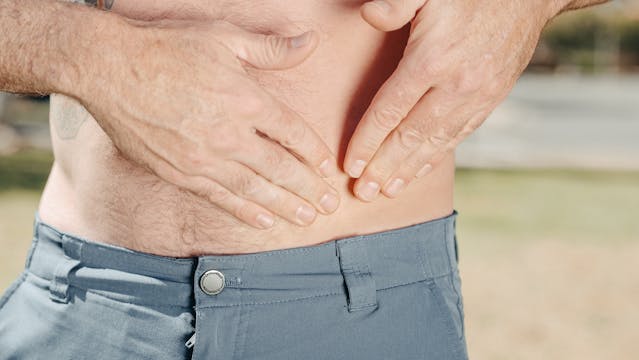
What Exactly Is a Hernia?
A hernia occurs when an internal organ or tissue pushes through a weak spot in the surrounding muscle or connective tissue. This weakness may be present from birth or may develop gradually due to strain, injury, or surgery. Hernias can occur in several areas of the body, but the most common include:
- Inguinal Hernias: Located in the groin, more common in men.
- Femoral Hernias: Occur lower in the groin, more common in women.
- Umbilical Hernias: Develop near the belly button.
- Incisional Hernias: Appear near previous surgical incisions.
- Hiatal Hernias: Involve part of the stomach pushing into the chest cavity.
Understanding the type of hernia you may have helps guide what symptoms to watch for.
Common Symptoms of a Hernia
While symptoms vary depending on location and severity, certain signs strongly suggest the presence of a hernia. Key symptoms include:
- A Noticeable Bulge: One of the most recognizable signs. The bulge may become more prominent when standing, coughing, or lifting heavy objects.
- Discomfort or Pain: Pain may range from mild pressure to sharp, persistent pain. Activities that increase abdominal pressure often worsen symptoms.
- Heaviness or Weakness in the Abdomen or Groin: Many people describe a dragging or pulling sensation.
- Pain After Eating: Common in hiatal hernias, where stomach tissue pushes upward into the chest cavity.
- Nausea or Digestive Issues: In more advanced cases, the hernia may disrupt normal digestion or bowel movements.
These symptoms often come and go, leading many individuals to ignore them or assume they’re caused by strain, bloating, or muscle injury.
Symptoms That Require Urgent Attention
Some hernias can become trapped (incarcerated) or lose their blood supply (strangulated), posing a medical emergency. Seek immediate care if you experience:
- Severe, worsening abdominal or groin pain
- Nausea and vomiting that does not improve
- A hernia bulge that becomes firm, discolored, or unable to be pushed back in
- Fever or rapid heart rate
These symptoms may signal a blocked or strangulated hernia, requiring emergency surgery.
How Hernias Are Diagnosed
A physical exam is often enough to diagnose most hernias, especially those in the groin or abdominal wall. During the exam, your provider may ask you to stand, cough, or strain to make the hernia more visible.
If further evaluation is needed, diagnostic tools may include:
- Ultrasound: Useful for identifying soft tissue hernias, especially in the groin.
- CT Scan: Provides detailed images of the abdominal wall and internal organs.
- MRI: Helpful in cases where the hernia is small or difficult to detect.
These imaging methods allow for precise diagnosis and help determine the most effective treatment plan.
Is It a Hernia or Something Else?
Various conditions can mimic hernia symptoms, so proper diagnosis is essential. These may include:
- Muscle strains
- Lymph node swelling
- Digestive issues such as acid reflux or bloating
- Testicular conditions in men
- Endometriosis or ovarian issues in women
Because these issues can overlap in symptoms, medical evaluation is the most reliable way to know if you truly have a hernia.
When to Seek Professional Help
If you notice a bulge, persistent discomfort, or recurring abdominal or groin pain, scheduling a medical evaluation is the best next step. Hernias do not heal on their own and can worsen over time. Early diagnosis allows for minimally invasive treatment options and prevents the risk of complications.
Get Clarity and Expert Guidance
If you’re unsure whether your symptoms point to a hernia, a professional assessment can provide answers and peace of mind. Our surgical team offers comprehensive evaluations and personalized treatment plans to help you feel confident and informed about your health.
Contact us today to schedule an appointment and learn more about your options.
LENOX HILL SURGEONS
155 East 76th Street
Suite 1C
New York, NY 10021
646-933-3224
lenoxhillsurgeons@gmail.com
Everyday Habits That Increase Your Risk of Hernias
Hernias are a common but often overlooked medical condition that can develop gradually over time due to daily habits that place strain on the abdominal wall. While hernias can occur in anyone, understanding the lifestyle factors and routines that contribute to their formation is key to prevention. By recognizing these risk factors early, you can take steps to protect your health and reduce the likelihood of needing surgical intervention.

What Is a Hernia?
A hernia occurs when an internal organ or tissue pushes through a weak spot in the surrounding muscle or connective tissue. The most common types include inguinal (groin), umbilical (belly button), hiatal (upper stomach), and incisional hernias (near previous surgical sites). Though small hernias may cause mild discomfort, larger ones can lead to serious complications if left untreated.
Everyday Habits That Can Lead to Hernias
Many people don’t realize that routine activities can gradually increase pressure on the abdominal wall, creating or worsening a hernia. Here are some common habits that raise your risk:
- Heavy Lifting Without Proper Technique: One of the leading causes of hernias is lifting heavy objects incorrectly. Bending at the waist instead of using your legs places excessive pressure on your abdominal muscles, increasing the risk of a tear. Always lift with your knees bent and your core engaged.
- Chronic Coughing or Sneezing: Persistent coughing or sneezing from allergies, smoking, or respiratory illnesses can strain the abdominal wall. Over time, this repeated pressure weakens muscles, creating conditions ideal for a hernia to form.
- Poor Posture: Sitting or standing with poor posture for long periods can weaken core muscles. A strong core supports your abdomen and prevents internal tissues from pushing through weak spots.
- Straining During Bowel Movements: Constipation and excessive straining increase intra-abdominal pressure, which can contribute to hernia development, particularly in the groin or lower abdomen. Maintaining a fiber-rich diet and proper hydration helps reduce this risk.
- Obesity and Weight Fluctuations: Carrying extra abdominal weight constantly stresses the muscles and connective tissues of the abdomen. Rapid weight gain or loss can also reduce muscle tone, creating weaknesses where hernias may develop.
- Smoking: Smoking not only contributes to chronic coughing but also interferes with tissue healing and collagen production. This slows muscle repair and weakens the abdominal wall, making hernias more likely to form and harder to heal after surgery.
- Overexertion and Intense Exercise: High-impact workouts, especially those involving heavy weightlifting or sudden twisting motions, can overstretch the abdominal wall if done without proper form or gradual progression.
Who Is Most at Risk?
Certain groups of people are more prone to developing hernias due to physical, occupational, or genetic factors. These include:
- Individuals with a family history of hernias
- People who have had previous abdominal surgery
- Workers who regularly lift or move heavy objects
- Men over the age of 40
- Women who have had multiple pregnancies
Being aware of these risk factors and modifying daily habits can make a significant difference in prevention.
Preventing Hernias Through Healthy Habits
Preventing hernias begins with strengthening your core and reducing abdominal strain. Incorporate these simple but effective habits into your daily routine:
- Engage in regular, low-impact exercise like walking, swimming, or yoga to improve muscle tone.
- Maintain a healthy weight through balanced nutrition and portion control.
- Use proper lifting techniques at work or in the gym.
- Eat plenty of fruits, vegetables, and whole grains to prevent constipation.
- Quit smoking to improve respiratory and tissue health.
Even small changes can help protect your abdominal muscles and reduce the likelihood of a hernia forming or worsening.
Recognizing When to Seek Help
If you experience symptoms such as a visible bulge, pain or discomfort when lifting or bending, nausea, or pressure in the abdomen or groin, it’s important to seek medical evaluation. Early detection allows for less invasive treatment and helps prevent serious complications such as hernia strangulation, which requires emergency surgery.
Protect Your Health with Expert Surgical Care
If you suspect you may have a hernia or are experiencing ongoing abdominal discomfort, a comprehensive evaluation can help determine the best course of treatment. Early diagnosis and, when needed, minimally invasive surgical repair can prevent future complications and restore your comfort and mobility.
Contact our surgical team today to schedule a consultation and discuss effective solutions for hernia prevention and treatment.
LENOX HILL SURGEONS
155 East 76th Street
Suite 1C
New York, NY 10021
646-933-3224
lenoxhillsurgeons@gmail.com
Hernia Repair Surgery: Types, Symptoms, and the Best Treatment Options
This blog is about hernia repair surgery. A hernia occurs when an organ or tissue pushes through a weak spot in the surrounding muscle or connective tissue, often leading to discomfort, pain, and potential complications if left untreated. While some hernias may be managed with lifestyle adjustments, surgery remains the most effective long-term solution to repair the weakened area and prevent recurrence.
This guide explores the different types of hernias, common symptoms, and the best treatment options available, including minimally invasive surgical techniques that promote faster recovery.

Understanding Different Types of Hernias
Hernias can develop in different parts of the body, but the most common types occur in the abdominal and groin areas.
1. Inguinal Hernia
An inguinal hernia is the most common type, occurring when a portion of the intestine or fatty tissue pushes through the abdominal wall near the groin area. This type of hernia is more common in men.
Symptoms:
- A visible bulge in the groin or scrotum
- Pain or discomfort, especially when lifting or coughing
- Weakness or pressure in the groin area
- Burning or aching sensation at the site of the hernia
2. Umbilical Hernia
An umbilical hernia occurs when part of the intestine pushes through the abdominal wall near the belly button. It is common in infants but can also affect adults, especially those who are overweight or have had multiple pregnancies.
Symptoms:
- Swelling or bulging around the belly button
- Discomfort or pain when pressing on the area
- Increased swelling when standing or straining
3. Hiatal Hernia
A hiatal hernia occurs when part of the stomach pushes through the diaphragm into the chest cavity. This type of hernia is associated with acid reflux and GERD (gastroesophageal reflux disease).
Symptoms:
- Heartburn and acid reflux
- Difficulty swallowing
- Chest pain or discomfort
- Regurgitation of food or sour liquid
4. Incisional Hernia
An incisional hernia can develop at the site of a previous surgical incision, where the abdominal wall has weakened. This is more common in individuals who have had major abdominal surgeries.
Symptoms:
- Bulging or swelling near a previous surgical scar
- Discomfort or pain, especially when straining
- Feeling of weakness in the affected area
5. Femoral Hernia
A femoral hernia is less common and occurs when tissue pushes through the femoral canal, near the upper thigh and groin. These hernias are more common in women and can lead to serious complications if left untreated.
Symptoms:
- Swelling or lump near the upper thigh
- Groin discomfort or pressure
- Pain when standing, lifting, or straining
When Is Hernia Surgery Necessary?
While some small hernias can be managed with watchful waiting, surgery is often recommended when:
- The hernia causes pain or discomfort that affects daily activities.
- The hernia continues to grow in size over time.
- There is a risk of incarceration (when the hernia becomes trapped and cannot be pushed back in).
- There is a risk of strangulation (when the blood supply to the herniated tissue is cut off, leading to tissue death and requiring emergency surgery).
Surgical Treatment Options for Hernia Repair
Hernia repair surgery can be performed using different approaches, depending on the size, location, and severity of the hernia.
1. Open Hernia Repair
In an open hernia repair, the surgeon makes an incision near the hernia and pushes the bulging tissue back into place. The weakened area is then reinforced with sutures or surgical mesh to prevent recurrence.
Advantages:
- Effective for larger or complex hernias
- Can be performed under local anesthesia in some cases
Disadvantages:
- Longer recovery time compared to minimally invasive techniques
- Higher risk of post-operative pain
2. Laparoscopic Hernia Repair (Minimally Invasive)
Laparoscopic hernia repair is a minimally invasive technique where small incisions are made, and a tiny camera (laparoscope) is used to guide the repair.
Advantages:
- Smaller incisions and minimal scarring
- Reduced post-operative pain
- Faster recovery and quicker return to daily activities
Disadvantages:
- Requires general anesthesia
- May not be suitable for large or complicated hernias
3. Robotic-Assisted Hernia Repair
A robotic-assisted hernia repair is similar to laparoscopic surgery but uses robotic technology for enhanced precision and control.
Advantages:
- Increased precision for complex hernia repairs
- Less post-operative pain
- Faster recovery time
Disadvantages:
- More expensive than traditional surgery
- Requires specialized surgical expertise
Recovery After Hernia Surgery
Recovery times vary depending on the type of surgery performed. Here’s what most patients can expect:
- Hospital Stay: Most laparoscopic and robotic hernia surgeries are outpatient procedures, allowing patients to go home the same day.
- Pain Management: Mild to moderate discomfort is expected after surgery, but over-the-counter pain medications are often sufficient.
- Physical Activity: Light activity is encouraged, but patients should avoid heavy lifting and strenuous exercise for 4–6 weeks.
- Diet and Hydration: A balanced diet rich in fiber helps prevent constipation, which can strain the surgical site.
- Follow-Up Care: Regular check-ups ensure proper healing and prevent complications.
Preventing Hernia Recurrence
To reduce the risk of hernia recurrence after surgery:
- Maintain a healthy weight to reduce pressure on the abdominal wall.
- Avoid heavy lifting or use proper lifting techniques.
- Incorporate core-strengthening exercises to improve abdominal muscle strength.
- Eat a high-fiber diet to prevent constipation and reduce straining.
- Follow post-surgical activity guidelines provided by your doctor.
Hernia Repair Surgery Conclusion: Choosing the Best Treatment for You
Hernia repair surgery is a safe and effective solution for treating hernias, preventing complications, and improving overall quality of life. Minimally invasive techniques, such as laparoscopic and robotic-assisted surgery, offer faster recovery and less discomfort, making them preferred options for many patients.
If you or a loved one is experiencing hernia symptoms, it’s essential to consult an experienced surgeon to discuss the best treatment approach. At Lenox Hill Surgeons, our team specializes in advanced hernia repair techniques, ensuring the best possible outcomes for our patients. Contact us today to schedule a consultation and explore your options.
Contact Information
LENOX HILL SURGEONS
155 East 76th Street
Suite 1C
New York, NY 10021
646-933-3224
lenoxhillsurgeons@gmail.com